
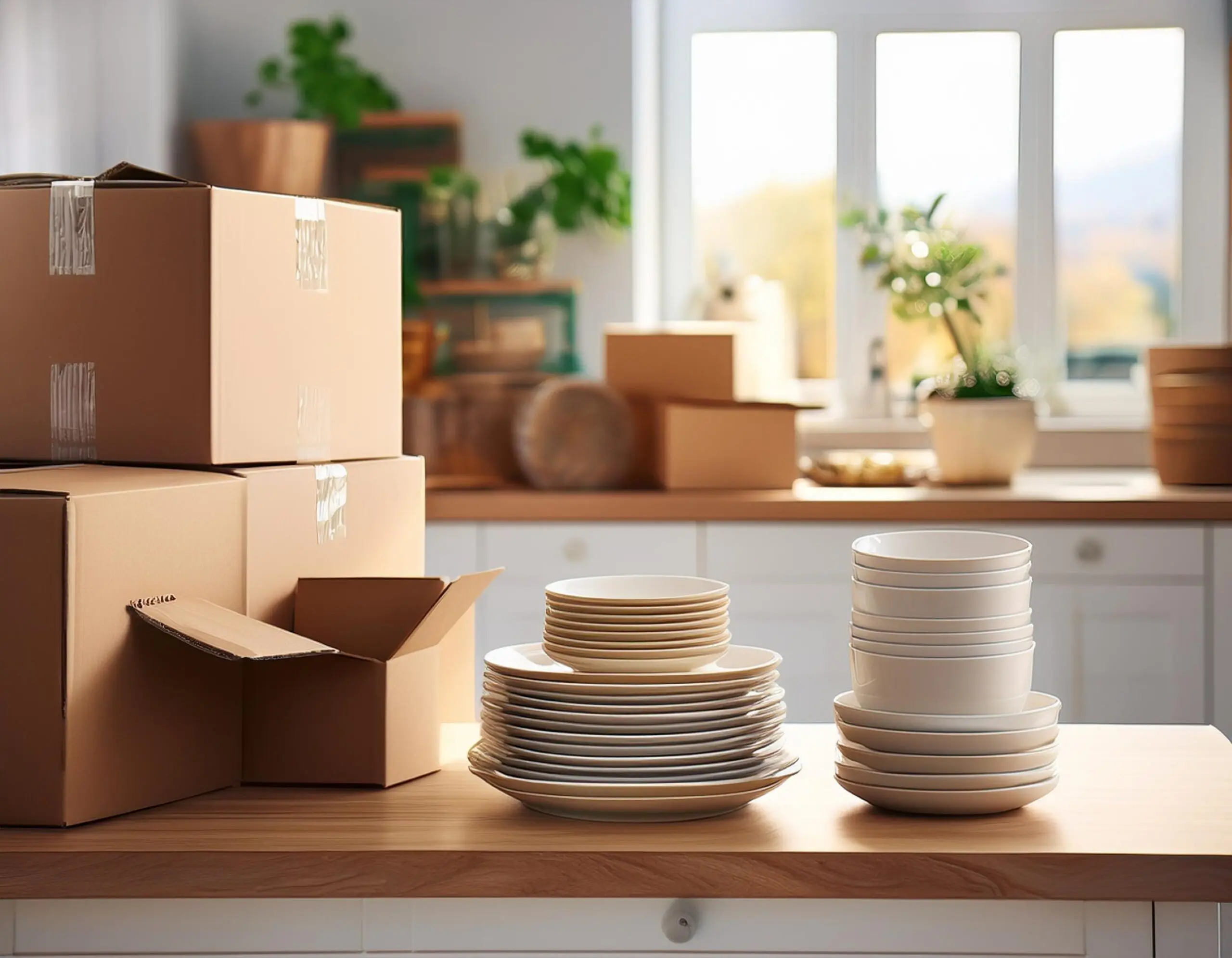
The kitchen often presents the biggest packing challenge during a household move. Between fragile dishes, heavy appliances, and an abundance of small items, this room requires strategic planning and careful organization. A systematic approach to kitchen packing not only protects your valuable items but also makes unpacking and setting up your new culinary space significantly easier.
Start with a Complete Inventory
Before touching a single item, walk through your kitchen and assess everything you own. Use this opportunity to decide what deserves space in your new home. Donate duplicate items, expired spices, and gadgets you haven’t used in over a year. This preliminary purge reduces the volume of items to pack and prevents you from carrying unnecessary clutter to your new kitchen.
Group similar items together as you sort, such as baking supplies, everyday dishes, special occasion items, and small appliances. This organization strategy will streamline both packing and unpacking processes, allowing you to set up your new kitchen more efficiently.
Gather the Right Packing Materials
Kitchen items require specific packing materials to ensure safe transport. Stock up on sturdy boxes in various sizes, with smaller boxes reserved for heavier items, such as dishes and canned goods. You’ll need abundant bubble wrap, packing paper, and foam padding for fragile items.
Invest in specialized boxes designed for dishes, which include cardboard dividers for plates and cups. These purpose-built containers offer superior protection compared to standard moving boxes. Don’t forget heavy-duty tape, markers for labeling, and stretch wrap for securing appliance doors and drawers.
Pack Dishes and Glassware Strategically
Begin with your least essential items, leaving everyday dishes for last. Wrap each plate individually in packing paper, then bundle groups of three to four plates together with additional paper. Place these bundles vertically in boxes rather than stacking them flat, as this positioning reduces the risk of breakage during transport.
For glasses and mugs, stuff the interior with packing paper before wrapping the exterior. Nest smaller items inside larger ones when possible, but always maintain padding between nested items. Fill any empty spaces in the moving cartons with crumpled paper to prevent items from shifting during the move.
Label boxes containing fragile items clearly and on multiple sides. Include handling instructions like “FRAGILE – THIS SIDE UP” to ensure careful treatment by movers.
Tackle Small Appliances Methodically
Clean all small appliances thoroughly before packing, ensuring they’re completely dry to avoid mold or mildew during storage. Remove any detachable parts and pack them separately, clearly labeling each part with the corresponding appliance.
Use original boxes whenever possible, as they provide the best fit and protection. If original packaging isn’t available, wrap appliances in bubble wrap and place them in appropriately sized boxes with plenty of padding. Secure all cords with twist ties or rubber bands, and tape them to the appliance to prevent tangling.
For appliances with glass components, such as blenders or food processors, remove the glass parts and pack them separately using the same techniques as dishes and glassware.
Handle Pantry Items Wisely
Check expiration dates on all pantry items and dispose of anything past its prime. Many moving companies won’t transport open food items, so plan to use up perishables before moving day or give them to friends and neighbors.
Pack canned goods and jarred items in small boxes to keep weight manageable. Use dish towels or paper towels to cushion glass jars and prevent clanking during transport. Group similar items together and label boxes clearly to make setting up your new pantry straightforward.
For spices and baking supplies, consider using plastic containers with tight lids to prevent spills. Place these containers in clearly marked boxes, and consider making an inventory list to tape on the outside for easy reference.
Prepare Large Appliances
Large appliances require special preparation before moving day. Clean refrigerators and freezers thoroughly, then leave the doors open for at least 24 hours to allow them to air dry completely. Remove all ice from freezers and clean any water lines according to the manufacturer’s instructions.
Secure all removable parts inside appliances using tape or tie-downs to prevent them from falling out. For refrigerators, remove the glass shelves and pack them separately like other fragile items. Tape doors shut and protect surfaces with moving blankets.
Disconnect gas appliances only with professional help, as improper handling can create safety hazards. Schedule professional disconnection and reconnection services well in advance of your moving date.
Create an Essentials Box
Pack a separate moving box with things you’ll need immediately in your new kitchen. Include basic cookware, a few plates and glasses, essential utensils, a coffee maker or tea kettle, and non-perishable snacks. This essentials box ensures you can prepare simple meals without unpacking everything on your first day.
Include cleaning supplies, paper towels, and dish soap in this box so you can clean your new kitchen before unpacking. Having these basics readily available makes the transition much smoother.
Label Everything Systematically
Develop a clear labeling system that indicates both the contents and the destination room. Use labels like “Kitchen – Everyday Dishes” or “Kitchen – Baking Supplies” to make unpacking decisions easier. Consider color-coding labels for different rooms to help movers place boxes in the correct locations.
Create a master inventory list of all kitchen boxes, including brief descriptions of their contents. Keep this list with you during the move so you can quickly locate specific items when needed.
Recipe for Success
Packing a kitchen requires patience and organization, but following these strategies ensures your culinary tools and treasures arrive safely at your new home. By taking time to adequately protect fragile items, organize efficiently, and prepare for immediate needs, you’ll be cooking in your new kitchen sooner than you think. The extra effort invested in careful packing pays dividends when you can quickly set up a functional cooking space and get back to creating delicious memories in your new home.
We can help with an efficient, effortless move. Contact us today to receive your complimentary quote.